







Search Results for: Layering Techniques

How Does Pour-Over Coffee Reveal Layering? Analyzing the Difference Between Layers and Layering, Plus Four Practical Techniques
Many coffee enthusiasts often mention the term "layering" during tasting, but what exactly is layering? How does it differ from plain "layers"? This article, from the perspective of Front Street, uses visual comparisons to help understand the meaning of layering, then returns to coffee tasting to analyze the manifestations of rich layering and two typical cases of lacking layering. At the same time, Front Street will share four practical methods, including coffee bean selection, fines retention, staged pouring, and adjusting the coffee-to-water ratio, to help you better present the layering of coffee during pour-over brewing. [more…]
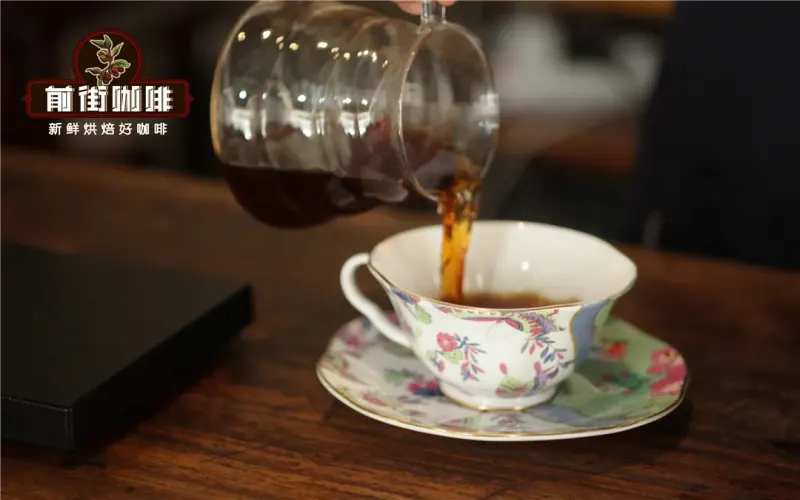
What Exactly Is Coffee Layering? Master Pour-Over Water Temperature, Grind Size, and Coffee-to-Water Ratio Adjustment Techniques to Enhance Flavor Layering
Have you ever encountered a situation like this: the same coffee beans, when brewed by someone else, come out rich in layers and full-bodied, but when you brew them yourself, they taste flat and bland? In fact, the layering of coffee refers to the ability to clearly discern the flavor changes at different stages in the mouth as the temperature drops. This article starts from a brewing experience at a Front Street store and takes a deep dive into several key factors that affect layering—the retention of fines, the trade-off with bitterness, the control of concentration, and adjustments to the pouring technique. Although growing, processing, and roasting have long determined the upper limit of layering, in the brewing stage we can still fine-tune parameters such as water temperature, grind size, and coffee-to-water ratio to seek a richer flavor expression within uneven extraction. [more…]
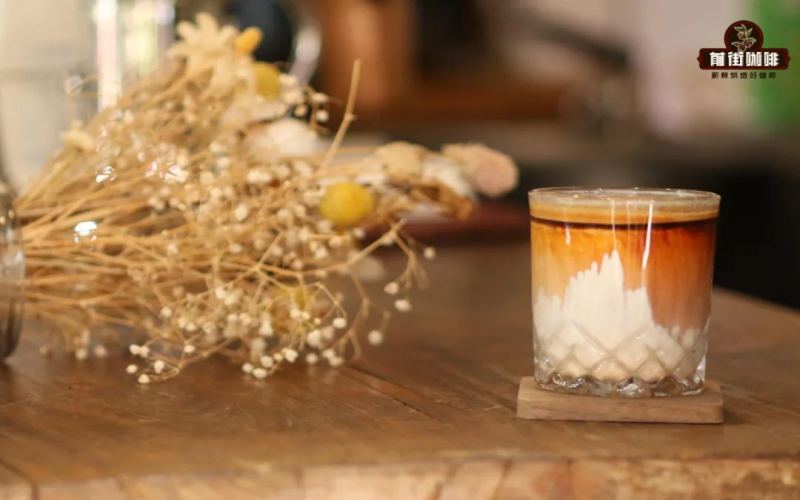
The Layering Principle and Making Techniques of Dirty Coffee: A Complete Technical Analysis from Bean Selection to Pouring
Dirty coffee, with its enticing layered effect and unique mouthfeel, has become a popular item in cafes. But many people who try making it at home often run into the embarrassment of no layering, the coffee sinking to the bottom, or even turning into a milk-tea color. This article starts from the physical principles, breaks down the differences between a Dirty and an iced latte, and explains in detail how to make a Dirty coffee with clear layers and a natural gradient by controlling the three key elements: temperature, concentration, and impact force. The article also includes Front Street Coffee's practical details on bean selection, cup choice, and milk ratios, helping you master the essentials in one go. [more…]
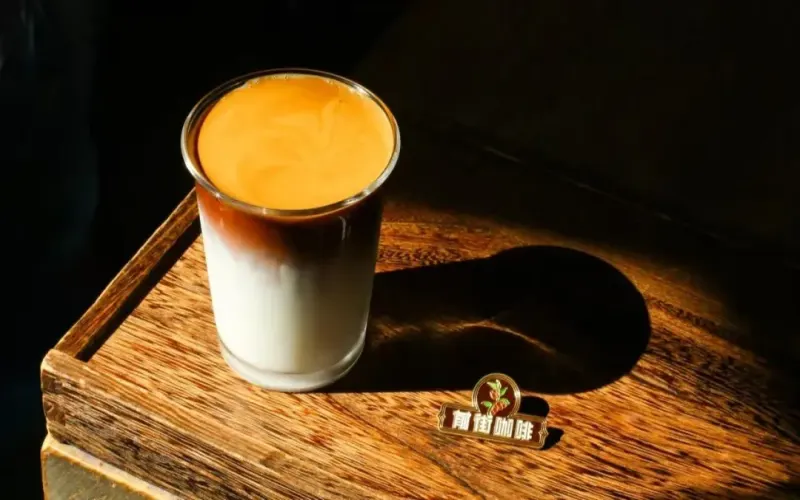
Creating a Layered Dirty Coffee: A Full Breakdown of Key Techniques from Pour Height to Milk Density
Want to make a Dirty with distinct layers, but always run into the problem of the coffee and milk blending too early, leaving the layers unclear? The key actually lies in two details: the distance the espresso falls from, and the viscosity and density of the milk itself. This article takes a practical approach and shares how to adjust the receiving height, use purified milk, chill your cups, and more, so that both the visual effect and the mouthfeel of your Dirty come closer to the ideal. It will also answer the question of whether the roast level of the coffee beans affects layering, and share Front Street Coffee's actual test conclusions to help you easily make a cup of "dirty" with true pedigree. [more…]
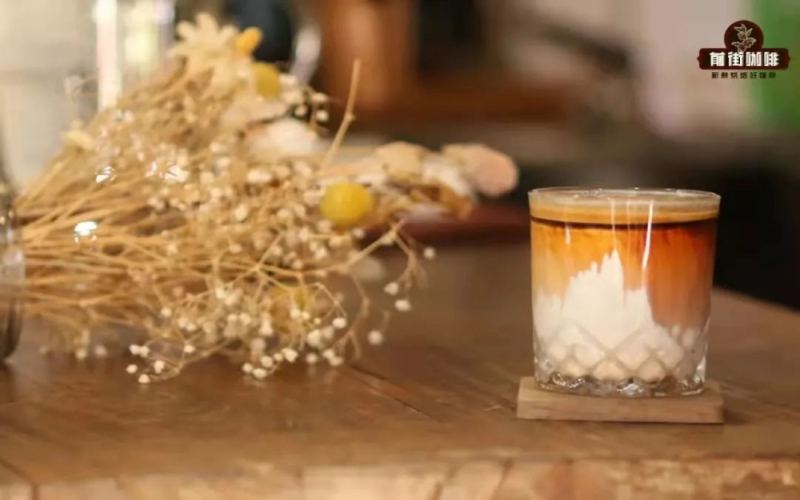
Dirty Coffee Recipe Ratio and Layering Techniques: A Full Guide to Cup Selection, the Right Way to Drink It, and Taste and Flavor Analysis
In recent years, Dirty coffee has become a signature drink at many cafés thanks to its unique hot-and-cold contrast and its striking layered appearance. Its top layer is warm espresso and its bottom layer is iced milk; there is no need to stir, and only by taking a big sip can you experience the distinct changes in flavor between layers. Starting from the origin and definition of Dirty, this article will explain in detail the mixing ratio, the key techniques for layering, the key points for choosing a cup, the correct way to drink it, and how to describe its taste, and will also explain how long it can be stored. At the same time, by combining the characteristics of three espresso coffee beans—Front Street Classic Blend, Specialty Blend, and Black Cocoa Base Blend—it will help you make a cup of Dirty that is excellent in color, aroma, and taste. [more…]
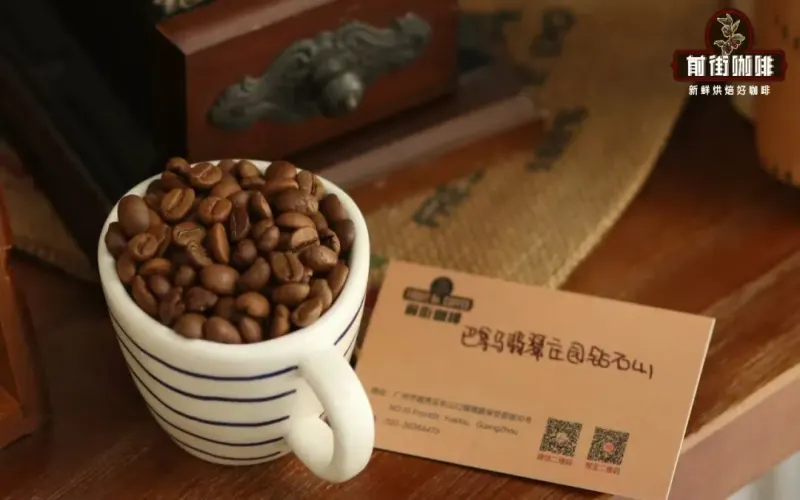
A Complete Guide to Hacienda La Esmeralda Diamond Mountain Coffee: Catuai Variety Characteristics and Pour-Over Layering Enhancement Techniques
After Hacienda La Esmeralda won the BOP with Geisha in 2004, it became almost synonymous with Geisha, but this legendary estate actually produces other varieties as well, among which the Diamond Mountain series is particularly worth noting. The main product of Diamond Mountain is Catuai, grown at two high-altitude estates, Cañas Verdes and Jaramillo, at an average elevation of 1,400 to 1,700 meters. This article will introduce the variety background and processing methods of Diamond Mountain, and share Front Street Coffee's pour-over brewing recipe for Panama Diamond Mountain, covering dripper selection, grind size, water temperature, coffee-to-water ratio, and staged pouring technique, to help you brew a cup with rich layers combining citrus sweetness, honey-like mouthfeel, and a cocoa finish. [more…]
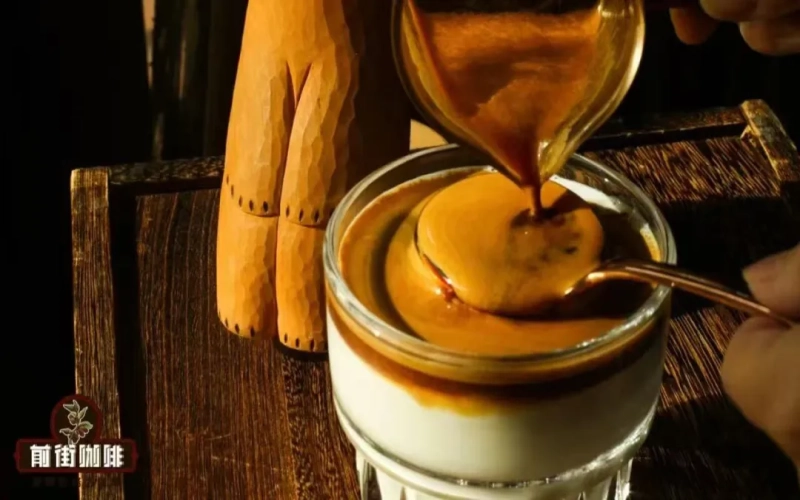
Why Has Dirty Coffee Become Such a Popular Choice? A Comprehensive Analysis from Layering Principles to Brewing Techniques
In recent years, Dirty coffee has been appearing frequently in specialty coffee shops, and has even been adopted by many establishments as a signature product. It is neither an extension of traditional espresso nor a simple version of an iced latte with the ice removed; rather, it has won the favor of a large number of coffee enthusiasts through its unique layered structure, sharply contrasting mouthfeel, and extremely high compatibility with ingredients. This article will begin with the background of Dirty's rise in popularity, sort out how it differs from the early "dirty coffee," and explain in detail how to select coffee beans, choose milk, and make a cup of Dirty with distinct layers and an outstanding taste. At the same time, the article will combine multiple products from Front Street Coffee to offer specific bean selection suggestions and pairing ideas. [more…]
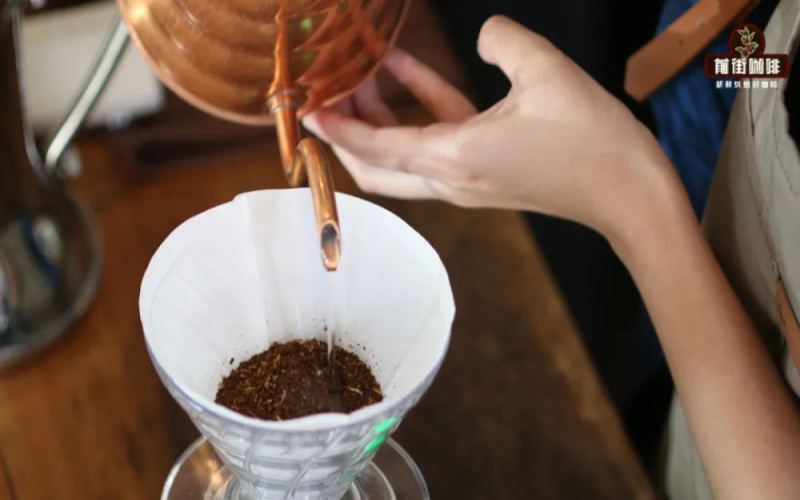
The Impact of Pouring Techniques on Flavor in Pour-Over Coffee: A Complete Analysis of Water Flow, Spiral Speed, and Trajectory
The reason pour-over coffee is called "pour-over" lies in the act of pouring water itself. Every barista has a different pouring style, and these differences directly influence the final flavor in the cup. There is no inherent hierarchy among pouring methods—what matters is whether they match the beans and the target flavor profile. Before developing a personal style, it is necessary to first understand exactly how different pouring techniques affect the extraction result. Drawing on Front Street's practical experience, this article examines three variables—flow rate, circling speed, and circling pattern—analyzing one by one how they change coffee's layers, acidity, sweetness, and body, and offering actionable combined pouring strategies to help you find the balance point between sweet-and-fruity notes and a rich, full mouthfeel. [more…]
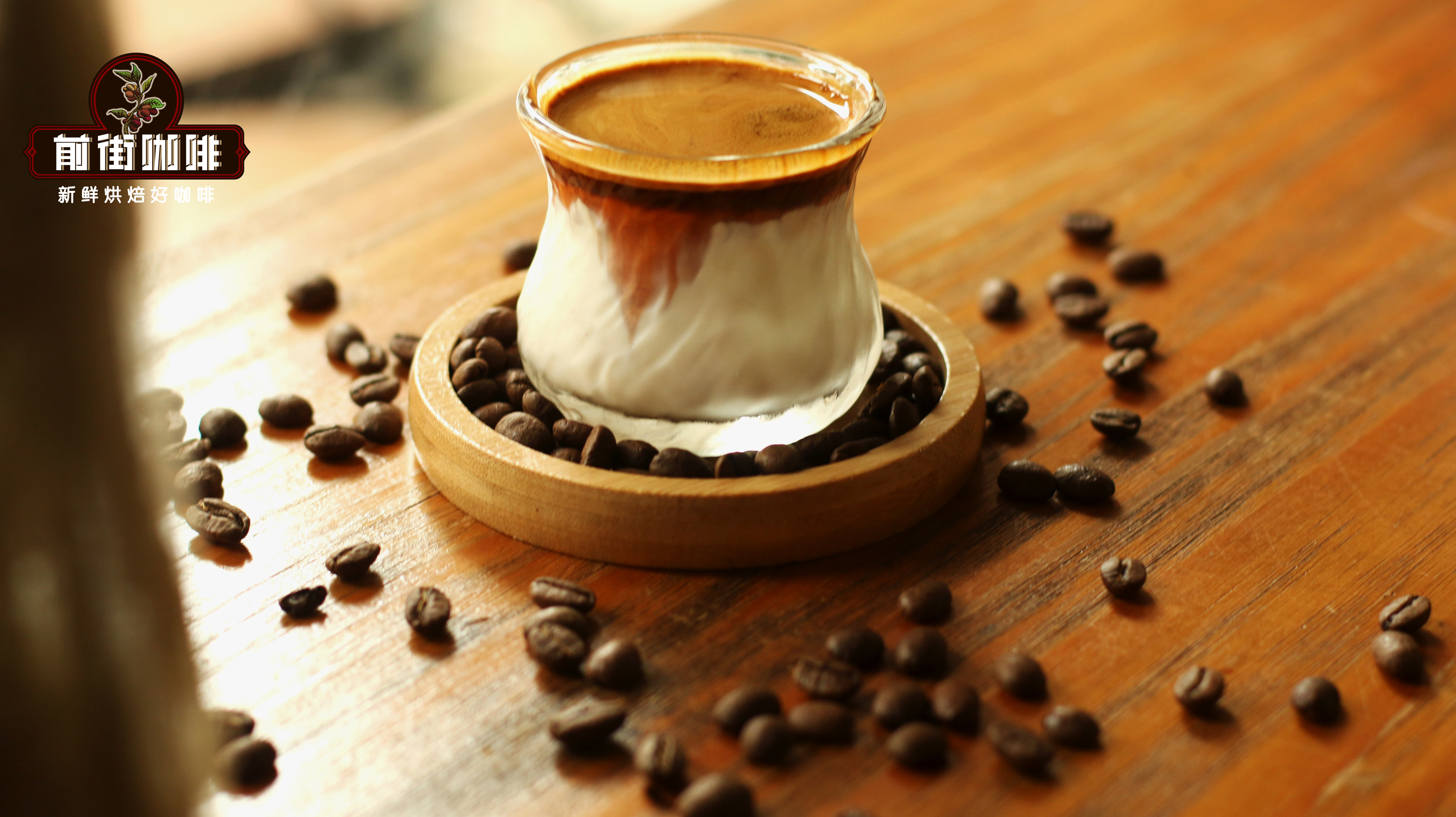
How Should You Drink a Dirty Coffee Correctly? A Full Analysis of Making Techniques and the Flavor and Mouthfeel Differences from Iced Latte
In recent years, Dirty coffee has quickly risen to fame, and many people who once loved lattes have switched camps. Unlike an iced latte, a Dirty is made by letting espresso and milk merge naturally, creating a fascinating layered gradient effect. The first sip delivers an intense coffee impact, which then turns into a smooth, sweet milky aroma—a true feast for both the eyes and the palate. Starting from the definition of a Dirty, this article will explain in detail how to make it, three key techniques, and its essential differences from an iced latte in terms of cup volume, mouthfeel, and flavor. At the same time, Front Street Coffee will also share how to choose suitable espresso beans and milk to help you make a perfectly layered, full-bodied Dirty at home. [more…]
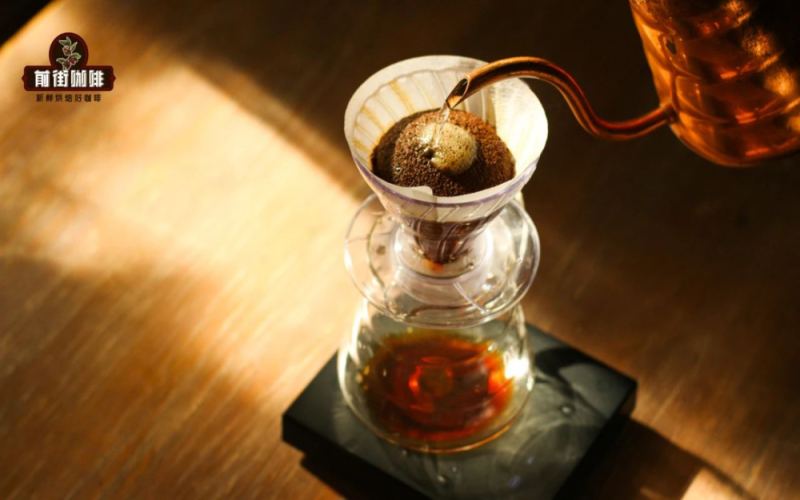
A Complete Guide to High-Sweetness Pour-Over Water Level Techniques: Staged Pouring Strategies and Recommended Sweet Arabica Beans
Want to brew a pour-over coffee with prominent sweetness and distinct layers? This article centers on the practical brewing technique of the "high-sweetness water level," explaining in detail its principles, applicable conditions, and key operating points, and clarifying why high-density light-roast beans are not suited to this method. It also shares Front Street Coffee's recommended floral and fruity Arabica single-origin beans and ideas for pairing them with a conical dripper, along with a complete three-pour parameter set and a hands-on demonstration, helping you achieve a richer coffee flavor experience with simple adjustments. [more…]
Why can latte coffee layer? From density principles to production details, analyzing the science of a beautifully layered latte.
Latte is the starting point for many people's journey into freshly ground coffee, but do you know why a latte can present such a beautiful layering? This article begins with the historical origins of the latte and, combined with Front Street Coffee's production experience, analyzes how the density difference between espresso and milk creates the layered effect. We will also take an in-depth look at the flavor characteristics, extraction parameters, and milk frothing techniques of Front Street Sunflower Warm Sun blend beans, and compare the layering principle and drinking method of Dirty coffee. Whether you want to understand the science of lattes or want to recreate a cup of layered milk coffee at home, this article can provide you with practical reference. [more…]
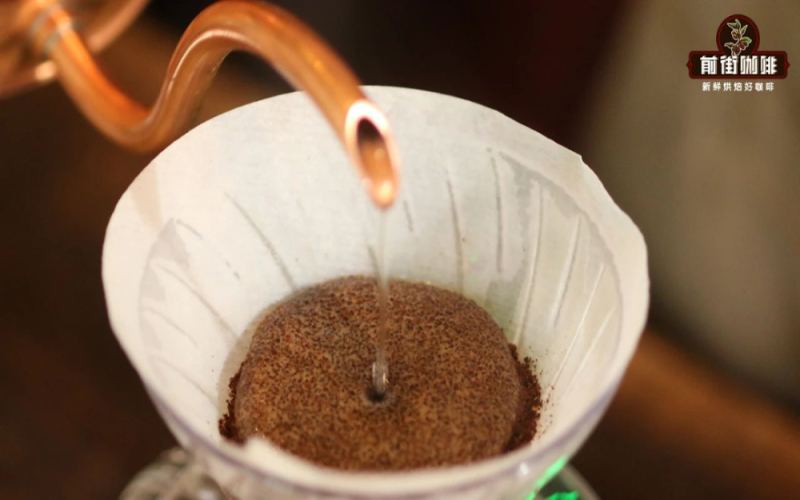
A Complete Guide to Three-Pour Hand-Brewed Coffee: Blooming Techniques, Water Distribution, and V60 Practical Guide
The three-pour method is one of the most classic and highly regarded extraction techniques in pour-over coffee. By splitting the total water volume into three pours and including two interruptions in between, it adjusts the proportion of flavors from the front, middle, and back ends of the coffee. Starting from the principles of staged pouring, this article breaks down the blooming step in detail and the logic behind water distribution for each stage. Using 15 grams of Front Street washed Yirgacheffe with a Hario V60 dripper as an example, it provides a complete demonstration of the three-pour pour-over process and parameter settings, helping coffee enthusiasts master this brewing method that balances harmony and complexity. [more…]

Iced Latte and Dirty Coffee Tutorial: Front Street Shares Detailed Steps and Recipe Highlights for Summer Cold Drinks
Following yesterday's iced coffee tutorial, Front Street Coffee continues today with a refreshing summer special for coffee lovers—a guide to making iced lattes, plus a complete tutorial on the recently surging hit, Dirty coffee. With illustrations and text, the article walks through both drinks step by step, covering key parameters such as cup capacity selection, the ratio of ice to milk, coffee grounds dosage, and espresso yield, with special emphasis on ice-cup pre-chilling and hot-cold layering techniques for Dirty. Whether you want to easily recreate an iced latte at home or take on the richly layered Dirty coffee, you'll find practical guidance in this clear, step-by-step guide. [more…]
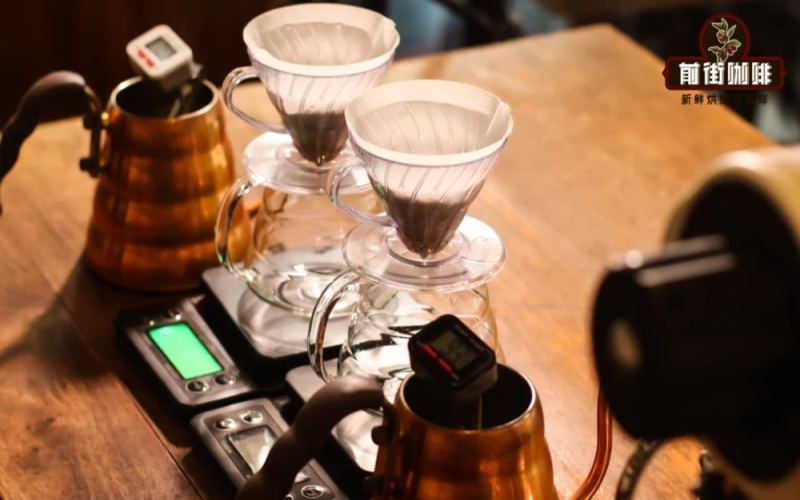
Pour-Over Coffee: One-Pour vs. Three-Pour Comparison — A Comprehensive Analysis of Steps, Ratios, and Brewing Methods
One of the charms of pour-over coffee lies in using different pouring techniques to bring out the diverse flavors of the same bean. Currently, the two most widely used methods—single-pour and three-stage—each have their own followers. Single-pour involves completing the target water volume in one go after blooming; it is simple to operate but extremely demanding on water flow stability and grind size. The three-stage method divides pouring into three phases, enhancing layering and compatibility through staged extraction. Using 15 grams of coffee and a 1:15 coffee-to-water ratio as an example, this article breaks down in detail the specific steps, pouring timing, and parameter requirements of both methods, and combines the brewing performance of Front Street Coffee Huakui and Colombia Huila Washed Caturra to help you find a brewing rhythm that suits you. [more…]
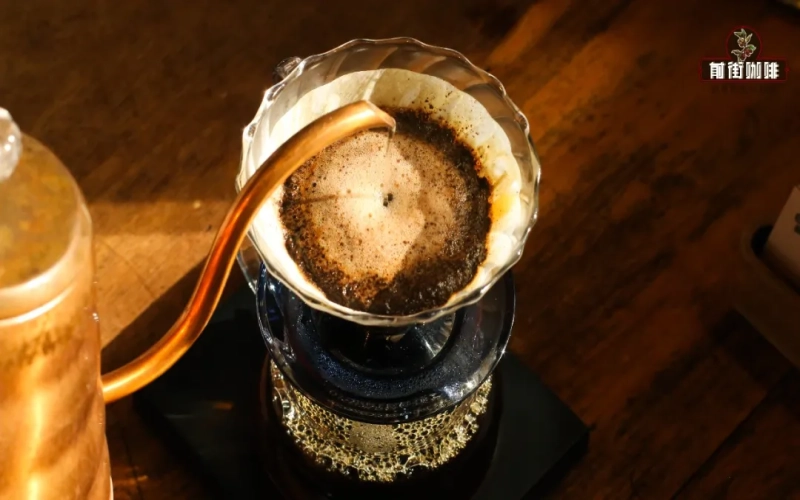
Water flow thickness, pouring height, and circular trajectory: How brewing techniques influence coffee flavor expression
The same beans and the same parameters, brewed by a different person, can taste different—the difference often comes down to pouring style. Pouring style refers to each person's preferences for flow rate, pouring height, and circling pattern when pouring water. These choices may seem subtle, but they change how the coffee grounds are distributed in the dripper, the degree to which they are disturbed by the hot water, and the dissolution rate of soluble substances, ultimately giving a cup of coffee noticeably different flavor, mouthfeel, and layering. Front Street Coffee will break down, one by one, the relationship between flow rate, pouring height, and pouring pattern—these three dimensions—and their corresponding effects on extraction, so that after understanding the principles, you can adjust your technique more calmly and brew a cup of coffee you truly enjoy. [more…]
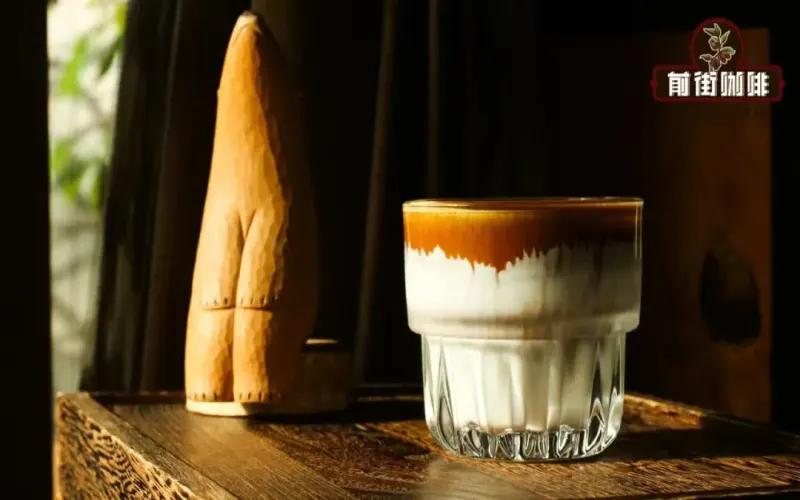
Dirty Coffee Making Tutorial: Key Points on Layering Principles, Ice Usage, and Cup Selection
Dirty coffee, with its striking layers of hot espresso and cold milk, has become a phenomenon in recent years. However, many enthusiasts who try to recreate it at home often find the result far from expectations due to overlooked details. Drawing on observations from Front Street, this article systematically breaks down the most error-prone steps in making Dirty coffee, including how to achieve a true layered effect, the necessity of using ice cubes, and the impact of glassware choice on the experience. Whether you are a beginner just discovering Dirty coffee or a seasoned coffee enthusiast looking to refine your skills, these key points are worth noting to help you avoid common pitfalls and craft a proper Dirty that delivers on both visuals and taste. [more…]
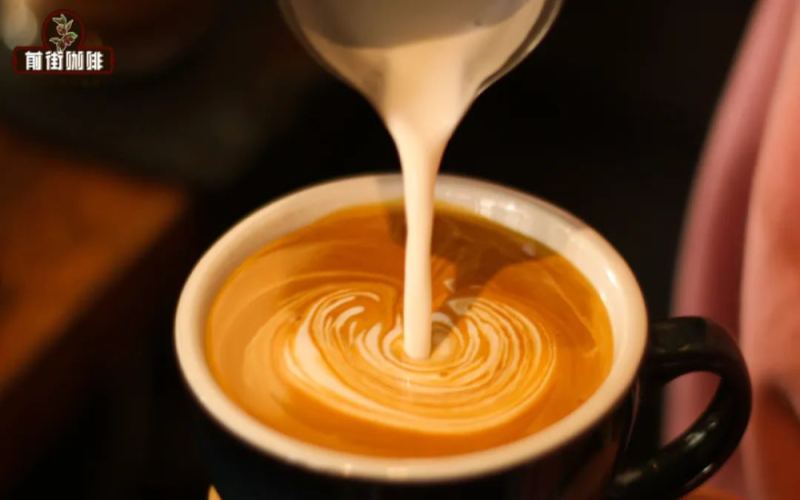
Espresso Coffee Tasting Guide: A Analysis of the Correct Ways to Drink Espresso, Dirty Coffee, and Thick-Foam Milk Coffee
Different types of espresso coffee, due to differences in their brewing techniques and presentation methods, also have their own particular ways of drinking. If tasted improperly, it is very likely that one cannot fully appreciate the unique flavor of the coffee. Front Street Coffee today will share the corresponding correct ways to drink thick milk foam milk coffee, layered coffee, Dirty, and other different types. From stirring the espresso to taking a big gulp of Dirty, every detail affects the final taste experience. Only by mastering these techniques can the characteristics of each cup of coffee be fully released. [more…]
A Complete Guide to Coffee Brewing Techniques: Flavor Differences and Key Operating Tips for Cold Drip, Pour-Over, and Syphon
The allure of coffee lies not only in the flavors in the cup, but also in the craftsmanship and artistry embedded in the brewing process. From the lively variations of pour-over, to the rich fullness of siphon, to the refreshing mellow depth of cold drip, each extraction method interprets a different facet of coffee. This article takes you into several coffee shops in Beijing, offering an in-depth analysis of four brewing methods—pour-over, siphon, cold drip, and semi-automatic espresso machines—covering equipment selection, coffee bean recommendations, water temperature control, coffee-to-water ratios, stirring techniques, and other practical details. It also specifically presents the flavor expressions of Front Street Coffee's Yirgacheffe, Costa Rica, Mandheling, and other bean varieties under different brewing methods, helping you find the cup that suits you best. [more…]
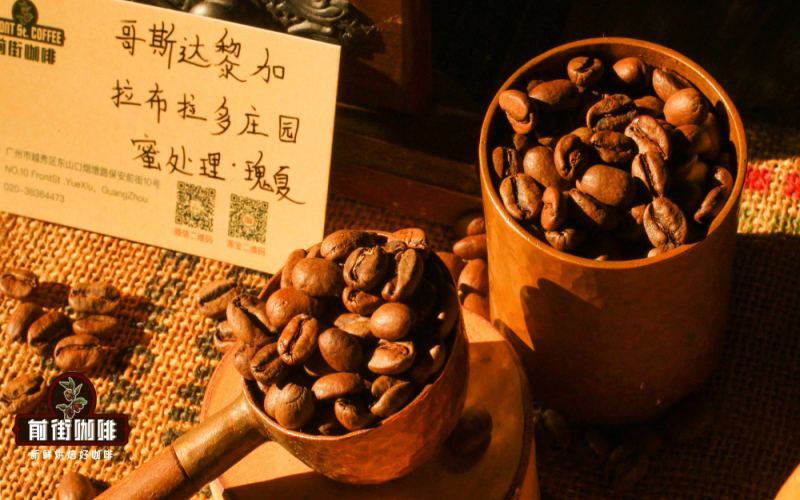
Costa Rican Coffee Bean Flavor Analysis: Honey-Processed Strictly Hard Bean Pour-Over Techniques and巨石 Estate Blueberry
Costa Rican coffee is famous for its honey processing and extremely hard beans, and Front Street Coffee brings you a selection of representative beans. This article approaches the topic through the three major processing methods—washed, natural, and honey—analyzing the basic structure and flavor formation of Costa Rican coffee, with a focus on Tarrazu washed beans and the Blueberry Anaerobic Heavy Honey processed beans from Hacienda El Monstruo. It also explains in detail Costa Rica's raw bean grading standards by altitude, as well as hand-brewing parameter recommendations for high-altitude SHB extremely hard beans, including the V60 dripper, water temperature, coffee-to-water ratio, and three-stage extraction technique, helping coffee lovers brew a rich fruity layering. [more…]

Does Drip Bag Coffee Count as Pour-Over? An In-Depth Analysis of the Flavor Layering Differences Between Drip Bags and Pour-Over
Drip bag coffee is often called a simplified version of pour-over, but can it really achieve the rich flavor layers of pour-over? This article examines the relationship between drip bag coffee and pour-over coffee from the perspectives of equipment, bean varieties, and brewing techniques, and recommends a variety of Front Street Coffee drip bags, covering different styles such as fruity, nutty, full-bodied, and balanced. It also includes detailed drip bag brewing steps and precautions to help coffee lovers easily enjoy a cup of well-layered, excellent coffee. [more…]